Growth
Lapsed Catering Customers: The 30% Revenue Lift Most Operators Miss
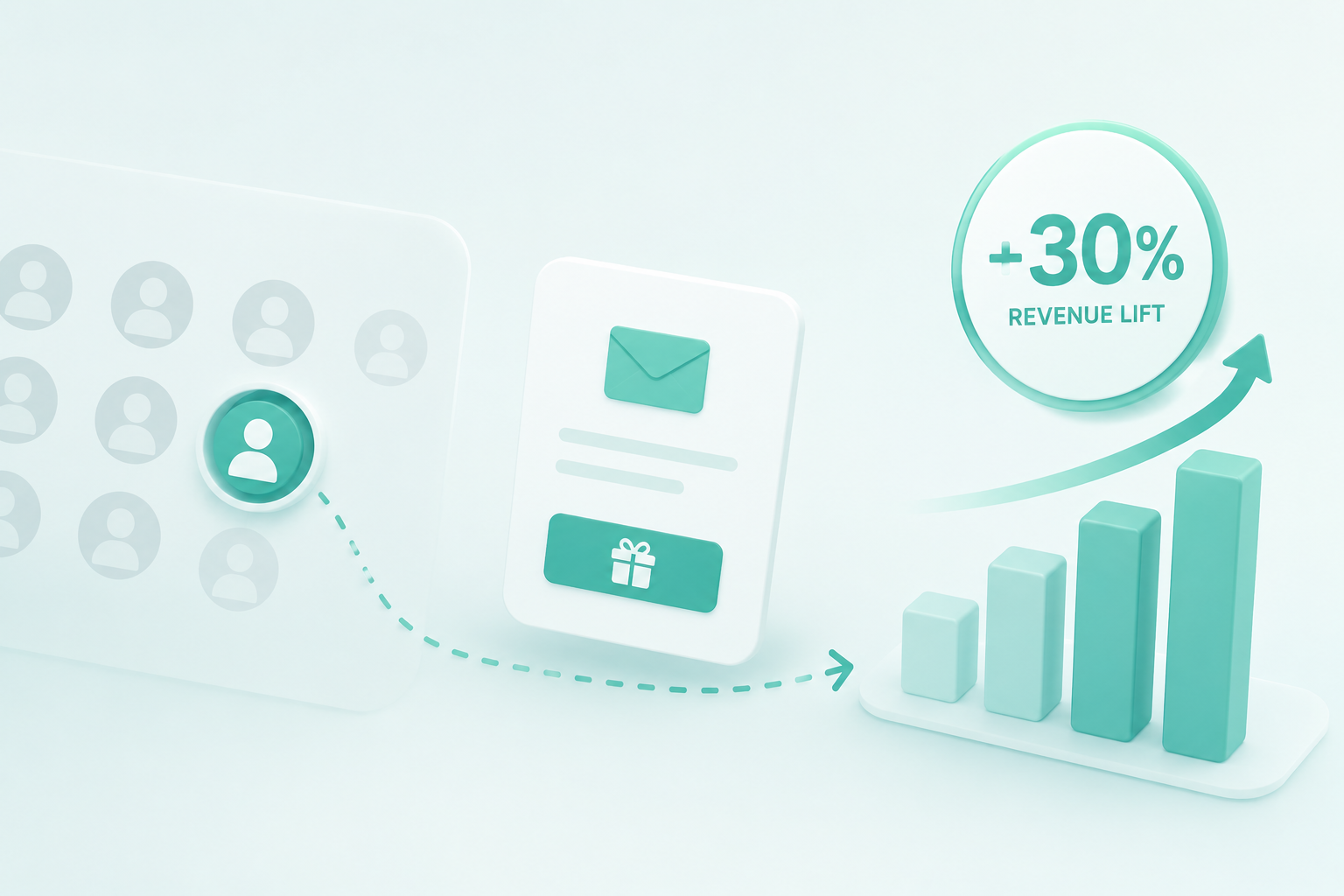
Imagine a list of 200 catering customers who used to order from you regularly and stopped, for reasons you mostly do not know. Some moved jobs. Some hit a bad experience. Some just drifted.
If you reach out to that list with the right message, 10 to 20 percent will reorder within 90 days. That is 20 to 40 customers reactivated. At an average order value of $300, that is $6,000 to $12,000 in immediate revenue, and the lifetime value of a reactivated customer is similar to a brand new one.
Most operators never reach out. The list grows quietly in their CRM and the revenue grows quietly in someone else's.
This post is the win-back playbook.
How big is the lapsed customer opportunity?
In a typical catering operation with 12 to 24 months of history:
- 30 to 50 percent of customers who have ever ordered are currently lapsed (no order in 90+ days)
- 15 to 25 percent of those will reactivate with the right outreach
- The average reactivated customer returns to ~70 percent of their previous order frequency
Math: if you have 1,000 lifetime customers, 400 are lapsed, and 80 will reactivate. At $300 AOV with 4 orders in the next year, that is ~$96,000 in additional revenue you would not otherwise see.
This is the biggest single number most catering operators leave on the table.
Why do customers lapse in the first place?
Five root causes, ranked by frequency.
1. They moved
Office manager changed jobs. Family moved across town. Corporate buyer got promoted. The person who used to order from you is gone, but the company or family is still in your area. Reaching the right new person is the recovery move.
2. They had a quiet bad experience
Delivery was late once. An item was wrong. Food was cold. They did not complain because they are nice. They just stopped ordering. Without a post-order follow-up, you never knew.
3. They tried a competitor and stuck
A peer recommended a different caterer. They tried it. It was fine. Habit took over. You can absolutely win them back, but it requires a reason to switch back.
4. Their context changed
The company downsized. The team that used to host monthly events stopped hosting. Not your fault, not recoverable except by reaching new people at the same company.
5. They forgot
The simplest reason and the most common. Catering is not top-of-mind. You drifted out of memory. A reminder is sometimes literally enough.
What does a good win-back campaign look like?
Four rules.
Personalize against the actual relationship
Not "we miss you." Use the specific data: "Last August you ordered the Mediterranean Platter for 25. We just brought back the lamb option you used to ask about."
If your CRM cannot do this per customer, your CRM is the bottleneck, not the campaign.
Offer a real reason to reorder, not a discount
Discounts feel cheap on a win-back and depress your price perception. Better options:
- A new menu item or seasonal special they have not seen
- A free upgrade (premium packaging, white-glove setup) on the next order
- Early access to a tasting event
- A direct line to a named account manager
Use the channel they used to answer on
If they ordered by WhatsApp, win back on WhatsApp. Email-only customers, email. Do not change channels just because email is easier to template.
Make the next order easier than first time
One-click reorder of their previous menu. Pre-filled date picker for next week. No re-collection of dietary restrictions you already know. Reduce friction at every step.
How do you segment the lapsed list?
Not all lapsed customers are equally valuable. Segment by:
Lifetime value
Former Champions (high RFM) deserve a personal call and an Amazon gift card. Former bottom-tier customers get an automated email.
Time since last order
- 90 to 180 days: highest reactivation rate (~25%). Move fast.
- 180 to 365 days: moderate (~12%). Standard campaign.
- 365+ days: low (~5%). Mass email only, do not invest expensive effort.
Last interaction
If their last interaction was a complaint or a refund, recovery requires acknowledging the issue, not pretending it did not happen. "We know last May's delivery did not go right. We have changed X."
When is a customer truly gone?
A few signals indicate further investment is wasted:
- Two consecutive win-back attempts ignored
- Email permanently bouncing (they left the company)
- Active referral to a competitor
- Explicit "please stop contacting" reply
Mark them inactive in the CRM, suppress from future campaigns, and move on. Time spent on a true Lost is time not spent on the next reactivation.
How AIA does it
AIA Insight detects customers crossing the lapsed threshold automatically and surfaces them in a Reactivation queue. The win-back message is drafted with their order history pre-filled, sent on their preferred channel, and tracked. Sentiment on the reply routes to reorder or to a human.
This is the kind of process that quietly compounds 20 to 30 percent revenue per year if you do it consistently.
Key takeaways
- 30 to 50 percent of catering customers are typically lapsed at any time.
- A real win-back campaign reactivates 15 to 25 percent of them.
- The math: reactivation is usually the single highest-ROI revenue lever an operator can run.
- Personalize against actual order history. Use real reasons, not discounts.
- Segment by lifetime value, time since last order, and reason for lapse. Spend most on former Champions.
- A customer is truly gone after two ignored win-backs or a hard bounce. Move on.
If you want lapsed customer detection and reactivation running automatically in the background, walk through AIA.